






How to Pass the NCLEX Exam: A Step-by-Step Plan and Strategies to Help You Succeed
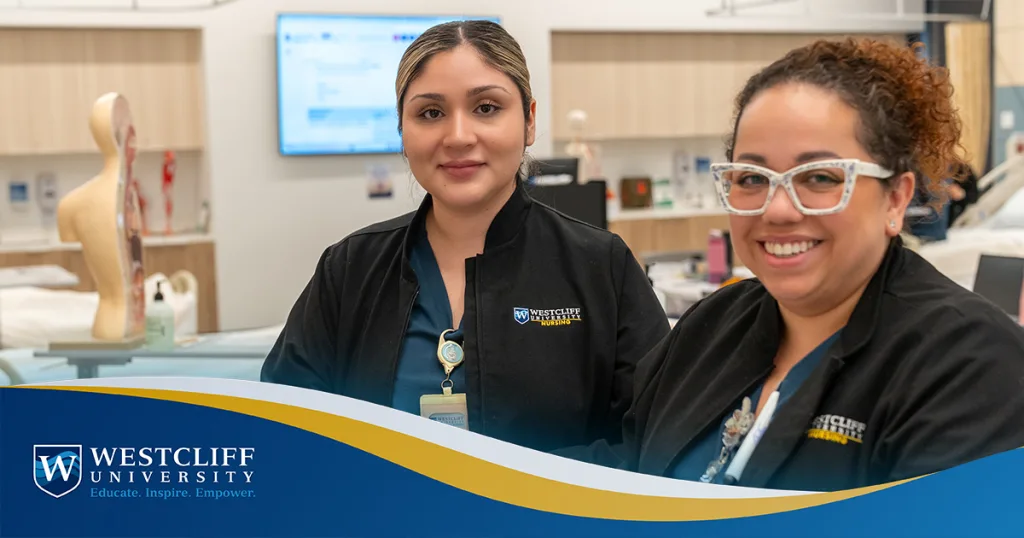
Graduating from nursing school is a major milestone, but the path to becoming a licensed registered nurse runs directly through one more critical hurdle: the NCLEX exam. Knowing how to pass the NCLEX is not just about studying hard — it is about studying smart, understanding how the exam works, and approaching preparation with a clear plan that builds real clinical confidence rather than surface-level recall.
The NCLEX-RN is the National Council Licensure Examination for Registered Nurses, the standardized test required by all state boards of nursing to determine whether a graduate is prepared to practice safely and competently. Passing it is the final step between nursing school and the ability to legally work as a registered nurse. The exam uses a computerized adaptive testing format, which means the difficulty of questions adjusts in real time based on how a candidate is performing. Questions are not straightforward recall prompts. They require clinical judgment, critical thinking and the ability to apply nursing knowledge to real patient scenarios. Understanding that distinction early in preparation is one of the most important things a nursing graduate can do.
This guide lays out a practical, step-by-step plan for NCLEX preparation, covers the strategies that actually move the needle and gives graduates the tools to walk into exam day feeling ready.
Why Does the NCLEX Exam Feel So Hard?
The NCLEX has a reputation for being one of the most stressful exams a nursing graduate will ever face, and that reputation is not without basis. Several factors combine to make it feel uniquely difficult, even for graduates who performed well throughout nursing school.
The stakes are high and immediate. Passing the NCLEX determines whether a graduate can legally practice as a registered nurse. That pressure creates a level of anxiety that does not exist in a typical school exam, where a poor grade carries consequences but not the loss of an entire career path. The expectation to pass on the first attempt, the fear of delaying employment and the pressure from family members, peers or employers who are waiting on the result all add emotional weight to an already challenging test.
The adaptive format also creates psychological pressure. Because the exam adjusts in difficulty based on performance, candidates have no way to gauge how they are doing in the moment. A string of difficult questions can feel alarming even when it is actually a sign the exam is going well.
Beyond the psychological factors, certain candidates may find the NCLEX especially challenging based on their preparation background. Graduates who relied heavily on memorization during nursing school often struggle because the NCLEX rewards clinical reasoning over rote knowledge. Students who are testing after a long gap since graduation may find that content has faded. Repeat test-takers who have not identified and addressed the specific gaps from a previous attempt are also at higher risk of difficulty.
The most important thing to understand is this: the NCLEX is a learnable exam. Graduates who approach it with proper preparation, a realistic study plan and genuine familiarity with the exam format improve their chances of passing significantly.
What Is the Step-by-Step Plan to Pass the NCLEX Exam?
Passing the NCLEX is not about spending the most hours studying, it is about spending those hours in the right way. The following plan walks nursing graduates through each phase of preparation in a logical sequence, from initial assessment through exam day.
Understand the NCLEX Exam Format and Expectations
Before opening a review book or logging into a question bank, take time to understand exactly what the NCLEX is testing and how. The exam uses Next Generation NCLEX (NGN) format, which emphasizes clinical judgment through case studies, bowtie questions, drag-and-drop scenarios and extended multiple-response items. Candidates who walk in expecting a traditional multiple-choice exam will be caught off guard.
Spend time reviewing the NCSBN Clinical Judgment Measurement Model, which forms the backbone of how NGN questions are structured. Understanding the six cognitive skills it measures — recognizing cues, analyzing cues, prioritizing hypotheses, generating solutions, taking action and evaluating outcomes — gives every study session a concrete framework to work within.
Assess Baseline Readiness and Identify Weak Areas
One of the most common preparation mistakes is skipping a baseline assessment and jumping straight into content review. Taking a diagnostic practice exam early reveals which areas are strongest and which need the most attention, allowing preparation time to be allocated strategically rather than spread evenly across content that may already be solid.
Most reputable NCLEX prep programs include diagnostic tools for this exact purpose. Use them before building a study plan rather than after. A clear picture of strengths and weaknesses is the foundation everything else builds on.
Build a Realistic and Structured Study Plan
A study plan that looks great on paper but is impossible to follow in real life is not a study plan, it is a source of additional stress. Build a schedule that accounts for actual daily availability, energy levels and commitments. Most NCLEX preparation timelines run between four and twelve weeks depending on a graduate’s baseline readiness and how much time they can commit each day.
Structure each study session with a clear goal: a content area to review, a set number of practice questions to complete or a specific skill to work on. Avoid open-ended study sessions that feel productive but lack direction. Consistency over intensity matters more in NCLEX preparation than grinding through material for hours at a time.
Focus on Clinical Judgment and Application-Based Learning
The single most important shift a nursing graduate can make in NCLEX preparation is moving from memorization to clinical application. The exam does not reward knowing facts in isolation, it rewards knowing how to use those facts to make safe, sound nursing decisions in patient care scenarios.
Study content through the lens of patient scenarios rather than concept lists. Ask not just “what is this condition” but “what would I assess, prioritize and do if this patient were in front of me.” Westcliff University’s nursing programs are built around exactly this kind of applied learning, which means students who have engaged fully with clinical coursework and hands-on training are already developing the judgment the NCLEX measures.
Practice NCLEX-Style Questions Consistently
There is no substitute for practice questions when it comes to NCLEX preparation. Consistent exposure to NCLEX-style questions builds familiarity with how the exam frames scenarios, what it is actually asking and how to eliminate wrong answer choices strategically.
Aim for a daily question volume that is challenging but sustainable — between 75 and 150 questions per day is a common target for candidates in active preparation. The goal is not just to get questions right but to understand why correct answers are correct and why incorrect answers are wrong. Reading rationales carefully, even after getting a question right, is one of the highest-value habits a candidate can build.
Practice Timed Exams and Improve Pacing
Knowing the content is one thing. Being able to apply it efficiently under time pressure is another. The NCLEX does not have a per-question time limit, but the overall exam window is finite, and candidates who have not practiced under realistic conditions often find their pacing off on the actual exam day.
Incorporate timed practice exams regularly in the weeks leading up to the test. Simulate real exam conditions as closely as possible: no interruptions, no looking up answers mid-exam and sticking to the same pacing strategy throughout. Reviewing timed exam performance not only builds speed but also reveals which question types take the most time and where pacing adjustments need to happen.
Review Performance and Adjust Study Focus
A study plan that never changes is not responsive to how preparation is actually going. Set aside time weekly to review performance data across practice exams and question sets. Look for patterns — content areas where scores are consistently low, question types that consistently trip up and concepts that keep appearing incorrectly.
Use that data to shift study focus toward weaker areas rather than continuing to review content that is already strong. This kind of adaptive preparation mirrors the logic of the adaptive exam itself and makes the final weeks of study significantly more efficient.
Prepare Mentally and Logistically for Exam Day
In the final days before the exam, the preparation that matters most is not content review, it is mental and logistical readiness. Confirm the test center location, understand what identification is required, know what to expect when arriving and have a plan for the morning of the exam.
Sleep, nutrition and stress management in the days leading up to the test have a measurable impact on cognitive performance. Candidates who arrive at the exam center well-rested and calm are better positioned to think clearly under pressure than those who spent the final nights cramming material they are unlikely to recall accurately at the moment.
What Strategies and Tips Actually Help You Pass the NCLEX?
Beyond the step-by-step plan, certain habits and strategies consistently separate candidates who pass on the first attempt from those who struggle. These are the approaches that matter most.
Master the art of reading NCLEX questions carefully. The NCLEX is known for questions that are carefully worded to test whether a candidate truly understands the clinical scenario or is pattern-matching based on keywords. Read every word of every question before looking at the answer choices. Identify what the question is actually asking — the most important action, the priority assessment, the safest intervention — before evaluating options.
Build a daily study routine and protect it. Consistency compounds. A candidate who studies for two focused hours every day for eight weeks will almost always outperform one who crams for twelve hours on scattered days. Treat study time like a clinical shift: show up, focus and follow through.
Prioritize understanding over memorization. When reviewing a concept, connect it to clinical reasoning rather than committing facts to memory. Understand why a nursing intervention is appropriate for a given patient situation, not just that it is. The NCLEX will never ask you to recall a fact in isolation — it will ask you to apply it.
Lean on high-quality resources and commit to them. One of the most common mistakes candidates make is bouncing between too many prep resources. Choose one or two reputable NCLEX prep programs and use them consistently throughout preparation. Switching constantly creates fragmentation and wastes valuable study time.
Know when to ask for help. If preparation is not progressing, scores are not improving or anxiety is becoming unmanageable, reaching out to a faculty advisor, a peer tutor or a mental health professional is a sign of self-awareness, not weakness. Westcliff University’s hands-on nursing training and student support resources exist precisely for moments like these.
Protect rest and recovery as aggressively as study time. Burnout is one of the leading reasons candidates underperform on the NCLEX. A fatigued brain cannot apply clinical judgment effectively no matter how much content it has been exposed to. Build rest days and recovery time into the study plan from the beginning, not as an afterthought.
Review mistakes as learning opportunities, not failures. The way a candidate reviews incorrect answers matters as much as how many questions they answer. Every wrong answer in a practice session is data. Understand the reasoning gap that led to the error, note the concept and revisit it deliberately. Over time, this approach transforms a candidate’s weakest areas into areas of confidence.
What Are the NCLEX Exam Dos and Don’ts?
Understanding what to do during NCLEX preparation is only half the picture. Knowing what to avoid is equally important.
| Do | Don’t |
| Connect with students who have passed the NCLEX to gain insight and encouragement | Compare your progress, scores, or timeline too closely with other students |
| Take practice tests regularly to build familiarity and confidence | Rely solely on memorization without understanding rationales and clinical reasoning |
| Build a realistic, structured study plan based on your strengths and weak areas | Delay preparation or assume the NCLEX will be easy without structured study |
| Use NCLEX prep resources strategically rather than switching between too many tools | Use too many NCLEX prep resources at once |
| Track progress and adjust your study plan based on performance data | Ignore weak areas or repeatedly study only familiar or comfortable topics |
| Take care of your mental and physical health throughout preparation | Overstudy to the point of burnout or neglect mental and physical well-being |
| Study consistently with manageable daily goals instead of cramming | Cram large amounts of content in the final days before the exam |
| Become familiar with the NCLEX format and question style early in preparation | Wait until the final weeks to learn how the exam is structured |
What Should You Do the Night Before and on NCLEX Exam Day?
The night before the NCLEX is not the time to absorb new information. Candidates who spend the evening cramming are working against themselves. The brain consolidates learning during sleep, not during late-night review sessions that create more anxiety than clarity.
The most effective approach to the night before is deceptively simple: eat a solid meal, review your logistics for the morning, do something that genuinely relaxes you and get to bed at a reasonable hour. If anxiety is running high, acknowledge it without catastrophizing it. Nervousness before a high-stakes exam is normal and does not predict the outcome.
On exam day, arrive at the test center early enough to check in without rushing. Eat breakfast. Bring the required identification. Give yourself a moment to settle before the exam begins.
Feeling anxious, doubtful or uncertain on exam day is common among candidates who are well-prepared. It does not reflect poor readiness or predict a poor result. The work has already been done. What remains is trusting the preparation and applying what has already been learned.
Once inside the exam, focus on one question at a time. Resist the urge to try to figure out how many questions you have answered or how the adaptive system is responding to your performance — that information is not available and spending cognitive energy there takes it away from the question in front of you. Read each scenario carefully, apply the clinical judgment framework and move forward.
How Does Westcliff University Help You Prepare for and Succeed on the NCLEX-RN?
Passing the NCLEX-RN begins long before a graduate sits down at the testing center. It begins in the curriculum, in the clinical setting and in the kind of critical thinking that a strong nursing program develops throughout a student’s education. Westcliff University’s College of Nursing is built around this understanding.
Westcliff’s nursing curriculum integrates NCLEX-RN preparation from the start rather than treating it as a final-semester add-on. The program emphasizes clinical judgment, hands-on patient care experience and the kind of application-based learning that maps directly to how the NCLEX tests competency. Students are not just learning nursing content, they are learning to think like nurses, which is exactly what the NGN format demands.
The university’s BSN programs in California and Entry-Level Master’s nursing programs are designed to give students exposure to real clinical environments through partnerships with healthcare organizations across Southern California. That real-world experience builds the clinical reasoning skills the NCLEX measures in ways that classroom instruction alone cannot replicate. Students who have trained in actual patient care settings arrive at the exam with a foundation of applied judgment that makes a meaningful difference in performance.
Faculty at Westcliff bring professional clinical expertise into the classroom, connecting theoretical nursing content to the practical scenarios graduates will encounter both on the NCLEX and in their careers. Academic support, advising and resources are available throughout the program to help students stay on track and address challenges before they become barriers.
Westcliff graduates enter the NCLEX preparation process with a head start, not because the program makes the exam easy, but because it builds the kind of nurses who are genuinely ready to pass it.
To learn more about how Westcliff University prepares nursing students for licensure success, explore life at Westcliff, visit the Corona campus or connect with the admissions team to discuss which program is the right fit.