

Dr. Cannon on the Future of Higher Education: Creating Meaningful Learning Through Innovation, Relevance and Connection
 Higher education is evolving rapidly. From the rise of artificial intelligence to shifting student expectations and changing workforce demands, today’s educators are being challenged to rethink not only what they teach, but how they teach it.
For Dr. Tonya Cannon, a business faculty member at Westcliff University since 2020, these conversations aren’t theoretical, they’re happening every day in her classroom.
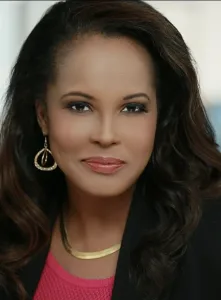
With more than 30 years of experience in human resources, an entrepreneurial background in film production, and nearly two decades in higher education, Dr. Cannon brings a unique perspective that bridges industry expertise with student-centered teaching. “My role as an educator is to ask questions and push students to find the answers,” she said.
Examining the Future of Higher Education
Recently, Dr. Cannon served as a moderator at the Education 2.0 Conference in Las Vegas, leading a panel discussion titled Higher Education: What’s Working, What’s Broken and What’s Next? During the conference, she was also recognized with the Excellence in Education Award, honoring her commitment to innovative teaching and student success.
The panel tackled some of the most pressing issues facing higher education today, including artificial intelligence, the changing educational landscape and the evolving role of educators.
“These are challenging conversations, but they’re conversations we need to have,” Dr. Cannon said. “As educators, we have a responsibility to ask the tough questions while creating a safe learning environment.”
One of the conference’s biggest takeaways, she explained, was the importance of remaining connected to students. “Faculty need to stay plugged in to their students. We have to hear their perspectives, meet them where they are and still maintain academic rigor.”
Creating an environment where students feel comfortable engaging, asking questions and participating is essential to meaningful learning, especially during times of uncertainty.
Making Learning Relevant
Throughout her career, Dr. Cannon has believed that education is most impactful when students understand why it matters.
Rather than simply presenting theories or concepts, she challenges herself to demonstrate how classroom lessons connect to students’ careers and everyday lives.
“How do I make them care about topics that don’t clearly apply to their field but absolutely do under the surface?” she asks. “You have to make those connections.”
Her diverse professional background allows her to do exactly that. Before entering higher education in 2007, Dr. Cannon built a career in human resources spanning more than three decades. In 2014, she expanded her entrepreneurial journey into film production, gaining firsthand experience creating and managing her own business.
Those real-world experiences provide authentic stories and practical examples that help students see business concepts in action.
Every Student Learns Differently
Teaching students from diverse backgrounds requires flexibility, creativity and empathy.
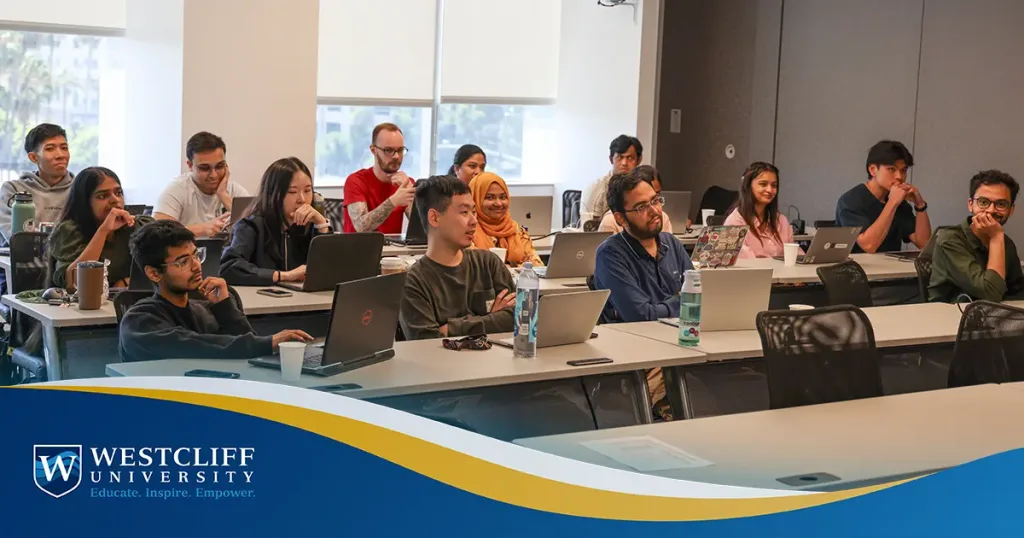
At Westcliff University, where many courses are delivered online or in hybrid formats, Dr. Cannon embraces interactive instruction that encourages participation rather than passive listening. Instead, she incorporates breakout sessions, discussions and collaborative activities designed to engage multiple learning styles. Her teaching philosophy aligns with recognizing that every student processes information differently and deserves opportunities to succeed.
She also believes authenticity plays a critical role in education. “People learn better when their instructor is authentic and real.” Rather than presenting herself as someone with all the answers, she openly shares lessons learned from mistakes throughout her career. “Being vulnerable opens students up, too.”
Combined with humor and relatable storytelling, her approach creates an engaging classroom environment where students feel comfortable participating while remaining challenged academically.
Preparing Students for the Real World
Before joining academia, Dr. Cannon spent years hiring and developing professionals in human resources. One pattern she observed was a disconnect between classroom knowledge and workplace readiness. “I saw the lack of preparedness of many graduates entering the workforce.”
That’s one reason she appreciates Westcliff University’s approach to education. “Westcliff prepares students because learning is relevant to real-world application, and the professors bring that experience into the classroom.”
She describes herself as “tough but fair,” maintaining high expectations while supporting students throughout their academic journey. “I set the bar high, but I help them get over that bar. Strive for excellence, not perfection. We should all strive to do better.”
Innovation Through Community
Dr. Cannon believes one of Westcliff University’s greatest strengths is its culture of collaboration and continuous improvement. “The Westcliff culture is innovative collaboration,” she said. “We’re always looking ahead and asking how we can improve.”
She values the University’s openness to faculty feedback and its encouragement for instructors to bring their authentic selves into the classroom. That culture of innovation extends beyond campus through opportunities like Education 2.0, where educators from around the world exchange ideas, discuss emerging challenges and share best practices.
“Especially with having such a diverse student body, we have to pay attention to these issues globally,” she said. “The more we learn from one another, the better educational experience we can provide our students.”
The Moments That Matter Most
For Dr. Cannon, the greatest reward isn’t an award or professional recognition, it’s seeing students experience breakthroughs. “The ‘aha’ moments are what I enjoy most,” she said. “When you can actually see the connections being made.”
Those moments reaffirm why she continues to teach while also pursuing lifelong learning herself. Along with a Ph.D. in Organizational Management, a master’s degree in Human Resources and a master’s degree in Communications, she is currently working toward a third master’s degree in Clinical Mental Health Counseling.
Her commitment reflects the mindset she hopes to inspire in every student: learning doesn’t stop at graduation. As higher education continues to evolve, Dr. Cannon believes the mission remains constant. “Our responsibility as educators is to ask the tough questions, create a safe learning environment and help students make meaningful connections that prepare them for life beyond the classroom.”
At Westcliff University, that’s exactly the kind of education students can expect.