



Sustainable Development Goals
Westcliff’s Sustainability Initiatives
The 2030 Agenda for Sustainable Development, adopted by all United Nations (U.N.) Member States in 2015, provides a shared blueprint for peace and prosperity for people and the planet, now and into the future. At its heart are the 17 Sustainable Development Goals (SDGs), which are an urgent call for action by all countries – developed and developing – in a global partnership and all organizations.
Westcliff University promotes entrepreneurship, innovation, and sustainability through its programs and in the University’s culture. In the past few years, the university has started multiple projects, events and initiatives about sustainability that positively impact the community. This section summarizes the University’s progress and impact on six sustainability goals in local and global communities including: enhancing access to quality education, promoting gender equality, reducing inequalities, contributing to economic growth, promoting peace and justice and collaborating in international efforts of promoting SDGs best practice.
Westcliff’s Sustainability Goals
Quality Education
Gender Equality
Decent Work and Economic Growth
Reduced Inequalities
Peace, Justice, and Strong Institutions
Partnerships for the Goals
SDG 4: Quality Education
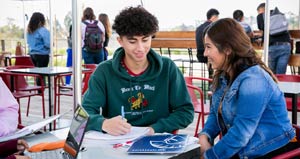
A high-quality education should be an area where universities excel. Education is a key gateway out of inequalities, especially multi generational ones. In addition to improving quality of life, access to inclusive education can help equip locals with the tools required to develop innovative solutions to the world’s greatest problems. According to the U.N., without additional measures, by 2030, 84 million children and youth will be out of school and 300 million students will lack basic numeracy and literacy skills.
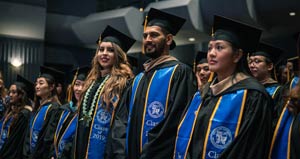
As an active member of the global community, Westcliff University commits to deliver quality education to its students globally so that the University’s graduates achieve the skills and knowledge that could contribute to improving the economic growth of their local communities. Westcliff University offers its resources and education opportunities to all, regardless of their background, race, color, religion, sex, national origin, disability, age, genetics, retaliation, armed forces service members, or veteran status.
Westcliff University has global educational partnerships in Nepal, Vietnam, Jordan and Dubai. Unlike the U.S. where students need to obtain certain teacher credentials in order to teach, in countries such as Nepal and Vietnam, students with a higher education degree can teach at the primary level. On average, about 30% of Westcliff students graduated with a degree that qualifies them to teach at the primary school level in their home countries. Westcliff University promotes social responsibility in its curriculum so that students graduate with an understanding of how they may use their acquired skills and knowledge to improve conditions for those who are less fortunate.
Public Resources
Besides its program offerings, Westcliff University offers other educational public resources.
Public Events
- Distinguished Innovator Speaker Series
- Off Base Transition Training (OBTT) and Meet & Greet
- Chaos Management Strategy
Growing Together Series – Westcliff Early Learning Academy
A valuable resource for parents, caregivers and free to the public, Westcliff Early Learning Academy held its first-ever webinar series brimming with information to assist in navigating early childhood education with confidence and clarity.
- Growing Together | Discovery Webinar
- Navigating Transitions: From Home to School
- Developing Health and Wellness
Annual Symposium of Applied Research (SOAR)
- Critical Thinkers in Critical Times: Applying Research for the Common Good
- Fostering Innovation and Addressing Global Challenges
The Symposium of Applied Research (SOAR) brings the community together to share experiences, research results, and research applications. This inclusive symposium welcomes speakers and attendees from all specialized and interdisciplinary fields and provides an opportunity for the exchange of ideas about developing real solutions that have a real impact on society. Featured projects — including studies on emotional intelligence as a success factor for women in leadership, Latina entrepreneurial growth barriers and creative paths forward, and HR practices that drive environmental sustainability – reflect how SOAR is intentionally cultivating research that is not only relevant, but socially responsible.
The University ensures that access to these activities is accessible to all, regardless of ethnicity, religion, disability immigration status or gender.
- Westcliff University Non Discrimination Policy
- Western State College of Law at Westcliff University Principle of Community
Education outreach activities beyond campus
Not only do Westcliff’s graduates pursue teaching careers, they also participate in non-profit organizations that aim to end educational inequity in their communities. For example, Westcliff students from Nepal actively participate in Teach for Nepal – a movement of young professionals who are committed to ensure that all children in Nepal receive quality education. Westcliff University’s campuses in Nepal collaborates with Teach for Nepal to ensure that the program is running efficiently.
The SMART program extends its impact beyond business boundaries by engaging in philanthropy and social outreach through e-commerce. For an ambitious ongoing SMART project, Westcliff University has established an e-commerce website, providing practical entrepreneurial experience and applying classroom knowledge. In this concept students will sell Nepalese products on the platform, with all proceeds benefiting the nonprofit organization, Pahar Trust, who have been working for more than 30 years to help improve living standards and bring education to remote communities in Nepal.
In 2023, Westcliff partnered with a Microsoft Philanthropies program – Technology Education and Learning Support (TEALS) to involve students, students, staff, faculty, and alumni to the volunteer program that helped high school classroom educators learn to teach computer science on their own by pairing them with in-person or remote volunteers from the tech industry and proven curricula.
SDG 5: Gender Equality
Gender equality is a fundamental human right, and a foundation for a peaceful, prosperous and sustainable world. Providing women and girls with equal access to education is a key part of delivering gender equality, but universities also have a wider role to drive forward gender equality in their communities.
Westcliff University is committed to providing quality education and services for all genders. This practice is applied in all aspects of the University, including staff, faculty, and students. Observing that female students present less in STEM programs, the university has launched scholarship programs that aim at supporting women in STEM. Westcliff has formed a partnership with Women in Tech – an international non-profit organization – to promote girls’ and women’s empowerment around the world. In Nepal, the University partners with the Ministry of Education to offer affordable and quality education to Nepali students, especially female students.
Education Access Plan
Gender Equality Progress Measures
Retention and completion rate is tracked every year by the Department of Institutional Research, disaggregated by degree program, age, ethnicity, and gender. According to Westcliff University’s Department of Institutional Research, the graduation rate for female students is generally higher than male students. Women graduated with an average graduation rate of 63%, while male students’ graduation rate ranges from 54% to 61%. Similar patterns are observed from the retention rate. It is noticed that the graduation rate of two groups gets more balanced in 2020 and 2021. The improvements resulted from multiple initiatives including curriculum development, personalized tutoring services and enhancing academic resources to students in need.
Women’s Progress Measures
The University ensures that women receive dedicated support and resources. policy of non-discrimination against women, non-discrimination policies for transgender, maternity and paternity policies, and policies protecting those reporting discrimination are made available.
Women’s Mentoring Schemes
SDG 8: Decent Work and Economic Growth
Universities as employers can lead the way, as teachers can educate for the future, and as innovators can develop new and fairer ways of working. Westcliff University is committed to creating an environment and culture that embraces diversity, challenge, excitement, and a collaborative spirit with a lot of opportunities for growth for both students and employees alike.
Employment Practice
Students and Work Placements
Westcliff University’s curriculum embeds applied learning and real-world experience. Across the last three academic years, more than 30% of students globally undertook internships, professional placements, or project-based consulting engagements lasting at least one month. The SMART™ MBA Consulting Program places graduate students into structured consulting assignments with more than 100 participating organizations, and employer satisfaction with SMART™ engagements is consistently 99%. These placements contribute to local economic participation and support pathways to post-graduation employment in the region.
SDG 10: Reduced Inequalities
Equality needs to underpin every aspect of sustainability if the objectives of the SDGs are to be met. Although SDG 5 explores this through the prism of gender, SDG 10 takes a broader look at the intersectionality of disadvantage. This disadvantage can be felt through all of the other key issues raised by the SDGs – disadvantaged groups are both more likely to be unable to take advantage of progress and to suffer from the effects of climate change.
Westcliff University strives to reduce social inequalities at all levels. The University is committed to providing services and recruiting students from under-represented groups. The institution has established a formal process to measure and track applications and admissions from a broad set of under-represented or potentially under‐represented groups. This includes first-generation students, students from developing countries, and students with disabilities. On average, about 30% of our new students are first generation students. More than 60% of our student population are from developing countries. Westcliff has anti-discrimination policies written in the student and employee handbook and enforced by the University.
Equity, Inclusion, and Human Rights at Westcliff University
Westcliff University is committed to fostering a community where every individual feels respected, valued, and empowered to thrive. Through the Westcliff Community Committee, the University advises on and implements initiatives that promote fairness, mutual respect, and equal opportunity across all areas of campus life.
The committee serves as a consultative body to university leadership on policies, programs, and training that uphold equity, inclusion, and human rights—ensuring that Westcliff remains a welcoming environment for students, faculty, and staff from all backgrounds and perspectives.
This commitment aligns with the United Nations Sustainable Development Goals (SDGs)—particularly Goals 5 (Gender Equality), 10 (Reduced Inequalities), and 16 (Peace, Justice, and Strong Institutions)—reinforcing Westcliff’s dedication to building a just and inclusive global learning community.
Cultural Heritage Videos
- Hispanic Heritage Month
- Asian American & Pacific Islander Heritage Month (AAPI)
- Black History Month ft. Jeanora Price
Other related charity and volunteer activities
International Food and Culture Festival
- Annual event to honor and celebrate the community’s diversity
- Open to the public: more than 300 guests gathered in the decorated courtyard to share the flavors and stories of their heritage
- 100+ countries represented
Empowering Change: Westcliff University’s Impactful Community Engagement Events
Throughout 2024 and 2025, nearly 400 Westcliff University students, staff, and faculty volunteered thousands of hours in community service—empowering individuals, supporting underrepresented groups, and helping to reduce inequality across Southern California. Together, they also donated hundreds of essential items to those in need. Westcliff’s ongoing commitment to social responsibility has earned recognition on the Orange County Business Journal’s Companies That Care list in both 2023 and 2024, as well as a nomination for the ACG Corporate Responsibility Award. Over the past two years, the University has contributed more than $120,000 to local nonprofit organizations that uplift people of color, individuals with disabilities, and other marginalized communities.
SDG 16: Peace, Justice, and Strong Institutions
Goal 16 is about promoting peaceful and inclusive societies, providing access to justice for all and building effective, accountable and inclusive institutions at all levels. Governments, civil society and communities need to work together to find lasting solutions to conflict and insecurity. Strengthening the rule of law and promoting human rights is key to this process, as is reducing the flow of illicit arms, combating corruption, and ensuring inclusive participation at all times. Westcliff University takes pride in having representation at the University at all levels to ensure that all interests and concerns are heard and recognized.
Governance, representation, organizations
Westcliff University and Western State College of Law maintain representative structures where students, faculty and staff participate in governance and provide feedback to institutional leadership. Student-led organizations offer social, academic and professional support, including interest groups such as the Environmental Law Society, which advances education and advocacy on environmental issues, and publishes research and symposium activity. The student organizations provide a unique platform for personal and professional growth, fostering leadership skills, teamwork, and networking opportunities that are invaluable in the future. Moreover, these clubs often revolve around shared passions and interests, creating a sense of belonging and camaraderie within the community.
Identify and engage with local stakeholders
Westcliff engages with local stakeholders through the University’s Social Responsibility Committee, which serves as a formal conduit between Westcliff and the surrounding community to ensure inclusive participation, shared dialogue, and community-based input.
Working with government
Faculty and administrators of Westcliff and Western State College of Law regularly provide expertise through consultation with government bodies and participation in state, regional, and national symposia. Western State hosts regional legal education excellence conferences, and law faculty contribute to policy discussions through speaking engagements, law review scholarship, and collaboration with community legal partners. These activities support accountable institutions and the rule of law by providing legal research, policy insight, and professional training.
- Law faculty speaking at state and regional symposia
- Western State hosting regional legal education excellence conference
- Student excellence profiles advancing advocacy and access to justice
The Western State College of Law Environmental Law Society is dedicated to providing and promoting a forum for education, advocacy, and scholarship aimed at protecting the environment. ELS seeks to inform the law school and surrounding community about environmental issues and sponsor engaging activities such as symposia, documentaries, research projects, social and networking events.
Western State College of Law operates experiential legal clinics — including Immigration & Deportation Defense and Criminal Justice related clinics — which provide free or low-cost legal support to vulnerable communities, and enable students to learn through supervised practice. These clinics directly contribute to access-to-justice outcomes in Orange County and the region.
SDG 17: Partnerships for the Goals
Sustainable development is the responsibility of every part of society, across the world. It cannot be achieved without linkages, across the goals, but also between institutions, governments, companies, NGOs, and people. This sustainability goal aims to revitalize the global partnership for sustainable development by bringing governments, civil society, scientists, academia, and the private sector together to achieve the SDGs (United Nations, n.d).
Higher education plays an important role in providing students with a well-rounded understanding of how global challenges need to be addressed. The knowledge about sustainability in classrooms enhances the development of students’ global competence and ability to collaborate and lead across national boundaries.
Westcliff University is offering classes in all of its programs where students learn about and become more globally aware of sustainability challenges. The University revamped its offerings to incorporate more sustainability related topics. In addition, Westcliff University is actively involved in policy-making discussion and conferences, at a local, regional, national and/or global levels to implement programs and policies to address sustainability goals. Through international collaboration, the University compares different approaches and develops best practices on addressing sustainability goals.
Relationships to Support the Goals
The University partners with governments and non-profit organizations, in addressing sustainability challenges:
- Partnership with Nepali Ministry of Education to provide quality and affordable education to Nepali students.
- Support students to participate in research, conferences and events related to sustainability goals: Westcliff University and King’s College Nepal Go Global
- Eliminate gender gap in technology: partnership with Women in Tech
- Contribute to end hunger through student-volunteer events in partnership with Second Harvest FoodBank, South County Outreach and Always Lean Forward Food Donation
- Reduce inequalities through student-volunteer events in partnership with UCP of Orange County, Together We Rise, Kappa Alpha Psi Fraternity – Riverside Chapter, Tustin Unified School District, and Operation Helping Hands
- Promote health awareness, good health and well-being through charity events with American Cancer Society/Association, Mercy Hospital, Children’s Hospital of Orange County
- Offer consulting services for non profit organizations such as Girl Scouts of Orange County – Social work, Fullerton Library – Public library, Harmonious – Animal conservation, Simplified – Education, Affordable Housing – Hispanic community first time home buyers, Hera Hub – help requalify inmates after release from prison to find jobs
- Provides basic necessities to the unhoused individuals and scholarships to underserved youth: Western State Kicks Off Fall Semester with Community Service for the Vulnerable
- Western State College of Law students also lead community-impact activities such as pro bono service events, community legal service days, and access-to-justice initiatives: Giving Back and Building Community: Western State Law Students Lead Through Service
Partnerships which focus on enhancing education access and improving quality education:
Conference/forum involving government and/or NGOs to discuss SDGs topic
Collaborations with Non Profit Organizations
Westcliff University is proud to collaborate with a diverse network of nonprofit organizations to advance inclusive, community-driven change. Through partnerships with organizations such as Unlimited Possibilities, Laura’s House, Inclusive Sports Foundation, and Second Harvest Food Bank, Westcliff students, staff, and faculty dedicate thousands of volunteer hours each year to support underrepresented and vulnerable populations—including individuals with disabilities, survivors of domestic violence, and families experiencing food insecurity.
At Western State College of Law, experiential learning programs extend this impact even further. The Criminal Defense Clinic, Immigration & Deportation Defense Clinic, and Probate Clinic provide free legal assistance to individuals who might otherwise lack representation—such as low-income families, immigrants, youth, and those navigating conservatorship or trust issues.
Together, these partnerships strengthen Westcliff’s commitment to the UN Sustainable Development Goals, particularly Reduced Inequalities (SDG 10), Good Health and Well-Being (SDG 3), and Partnerships for the Goals (SDG 17). By empowering children, families, and communities through education, advocacy, and social services, Westcliff fosters equity, resilience, and long-term sustainability both locally and globally.
Collaborations for Sustainability Goals
Sustainability Annual Report
The annual report demonstrates how Westcliff University advances SDG 17 by building coordinated partnerships with industry, education networks, government agencies, and community-based organizations. These collaborations are used to share data, co-design academic programs, expand research reach, and strengthen real-world impact. The university partners across borders and sectors to support capacity building, innovation exchange, and the scaling of initiatives — not only internally, but through inter-institutional cooperation.
The report also presents evidence of progress toward the SDGs through these partnerships, including joint programming with external organizations, participation in cross-institution conferences, and ongoing collaborative projects that directly support SDG-aligned outcomes such as educational access, sustainability education, and community empowerment. These relationships demonstrate that Westcliff’s partnerships are not symbolic — they actively strengthen implementation of SDGs by translating collaboration into measurable activity and shared results.
Education for the SDGs
Westcliff University is offering classes in all of its programs where students learn about and become more globally aware of sustainability challenges. The university has incorporated sustainability knowledge into more than 70 courses in its current offerings.
Additional Information
Contact Westcliff University’s Sustainability Team
If you have questions or need additional information about Westcliff University’s Sustainability Development Goals and initiatives, you may contact us at any time.
Address:
17877 Von Karman Ave
4th Floor
Irvine, CA 92614
Phone:
(949) 825-5999
Email:
sustainability@westcliff.edu